What is Trichology and what does a Trichologist do?
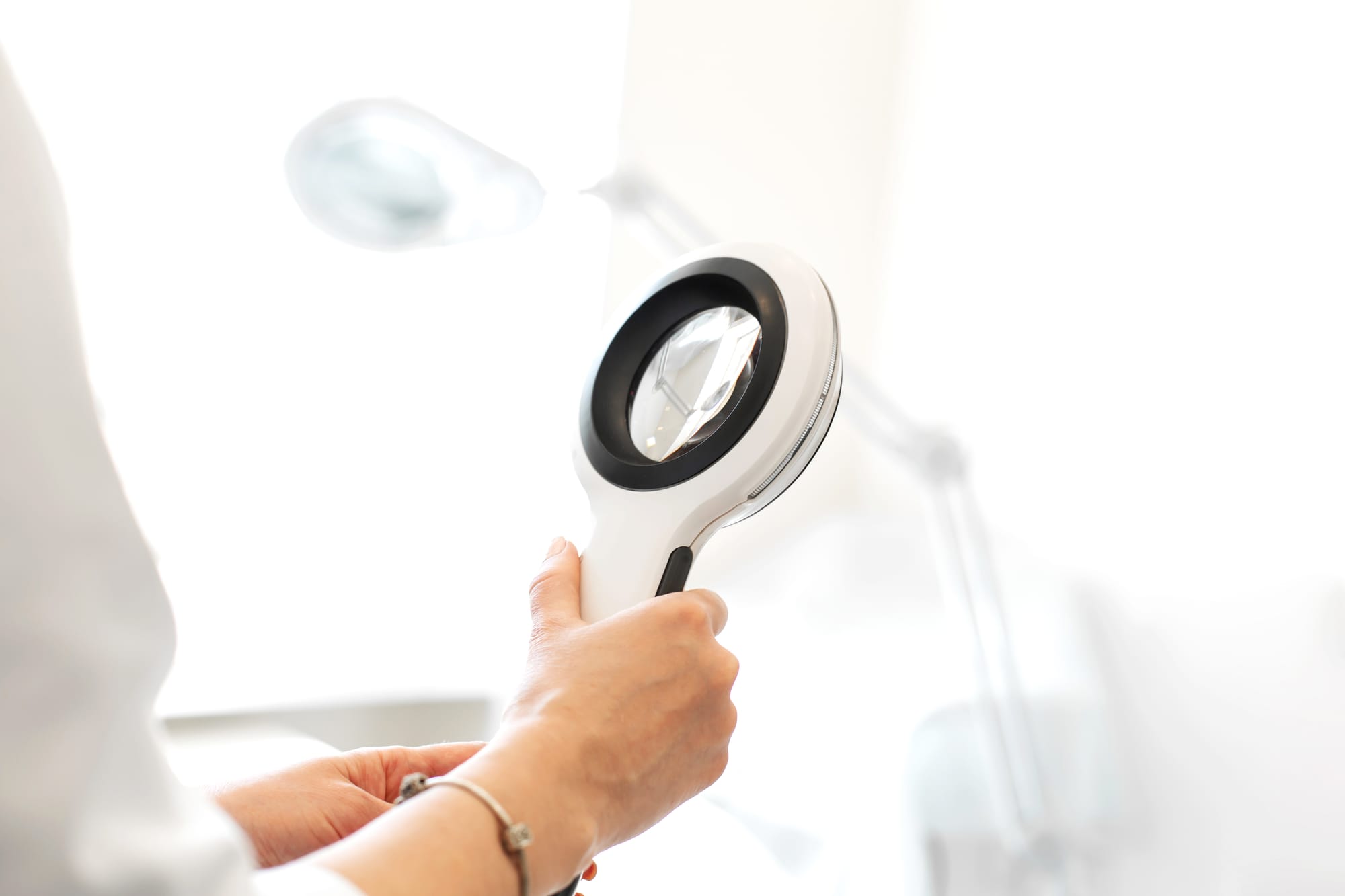

Trichology is neither an alternative medicine nor a complementary therapy, Trichologists are not medically qualified, but have training of a clinical nature.
A trichological assessment focuses on identifying the visual characteristics and patterns of common hair and scalp concerns. This includes evaluating temporary shedding, areas of thinning hair, fine hair textures, and localized flaking or dry scalp environments, helping clients implement optimal daily cosmetic care routines.
A Trichologist will deal with a range of conditions of the hair and scalp. Not all can be cured but can be managed.
Other conditions may need to be referred to a medical practitioner or specialist.
Trichologists adapt a holistic approach to treatment, ensuring to take into account many different factors, such as lifestyle, diet and wellbeing as a whole, as well as the signs and symptoms present.
A Trichologist, although highly trained is unfortunately not able to prescribe medications, If these or biopsies are requires a Trichologist can refer to your GP and Dermatologist to provide information, referrals and suggestions to ensure that the most suitable treatment is available.
Common hair and scalp patterns that people consult a Trichologist about include temporary shedding, patchy thinning, and flaky scalp environments.
There are so many conditions affecting the hair and scalp such as Alopecia Areata, Scarring Alopecia's, Male pattern Hair Loss, Female pattern Hair Loss, Telogen Effluvium, Psoriasis, Seborrheic Dermatitis, Dandruff and hair shaft disorders.
During consultations a Trichologist will look at the condition and possible causes and triggers, as well as offering advice and services for these conditions or refer on to medical specialists if of a medical nature.
If you are suffering with hair or scalp conditions a Trichology consultation is recommended before purchasing products or treatments to ensure you receive the correct diagnosis.
